Air, Water, and Soil Conservation
Annual water consumption reduction target of 2%
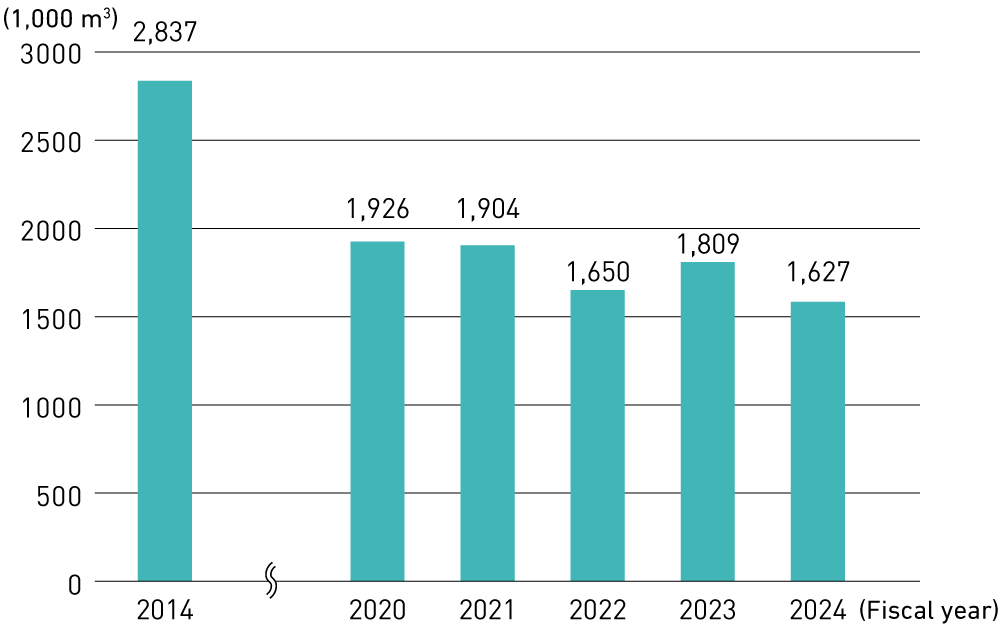
JATCO tracks the amount of water used for production at our plants and is working to reduce it. In accordance with the “Nissan Green Program” formulated by our parent company, Nissan Motor Co., Ltd., we have been working on a comprehensive reduction of our water consumption since fiscal year 2014 as a countermeasure against global water depletion. With the goal of reducing the amount by 2% every year, we achieved a reduction of 42.7% in fiscal year 2024 compared to fiscal year 2014.
Water usage
Maintaining high standards of purification
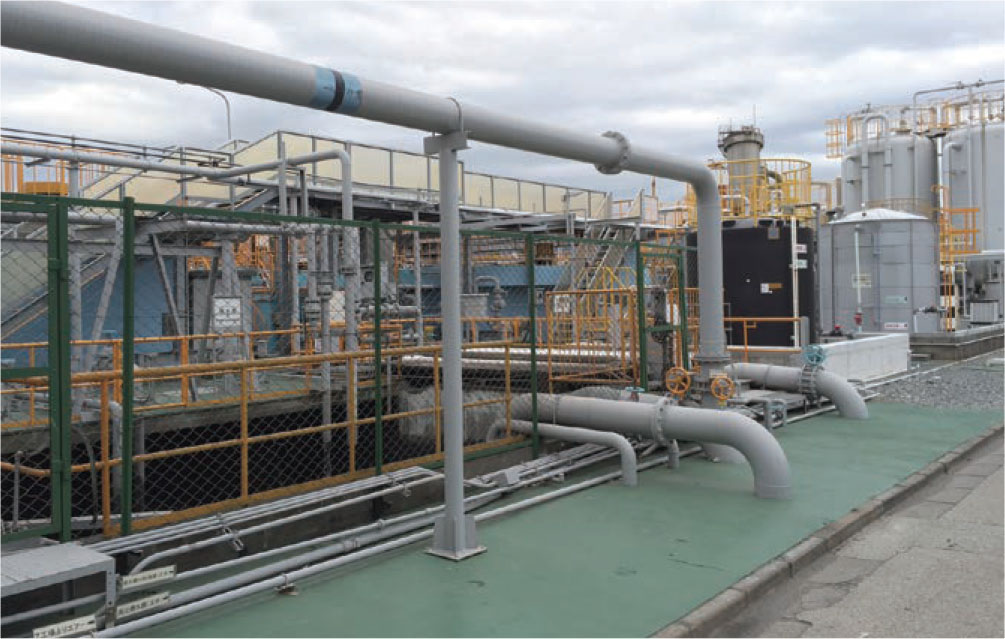
JATCO’s production plants not only comply with the standards for water discharge established by national and municipal governments, but have also drawn up even more stringent purification standards for internal use. By combining facilities for activated carbon adsorption, ultrafiltration, high-speed aggregation precipitation, contact oxidation, sand filtration, and pressure flotation, we continue to maintain a high level of purification quality.
Furthermore, we have installed water-saving valves on the water faucets at each of our domestic offices to reduce our water usage.
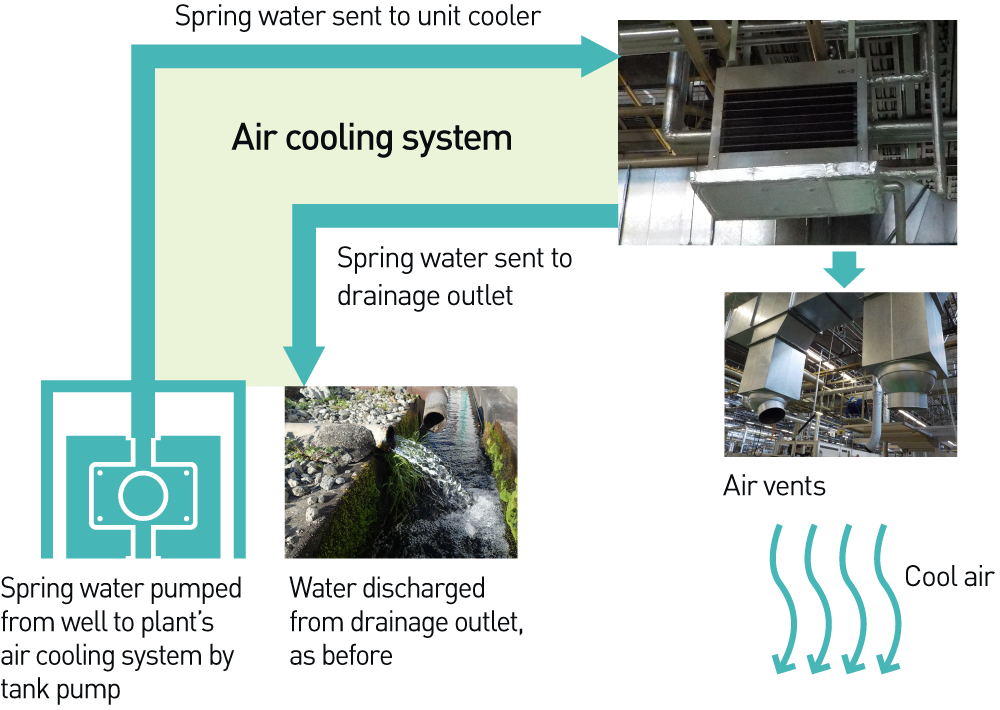
Mt. Fuji spring water cooling
There is a natural spring within the grounds of Fuji Area 1 Plant at the foot of Mt. Fuji. This water used to be discharged through a drainage outlet, but since the temperature of the spring water stays at 15–17 degrees Celsius all year round, we use it as a natural cooler via the plant’s air cooling system.
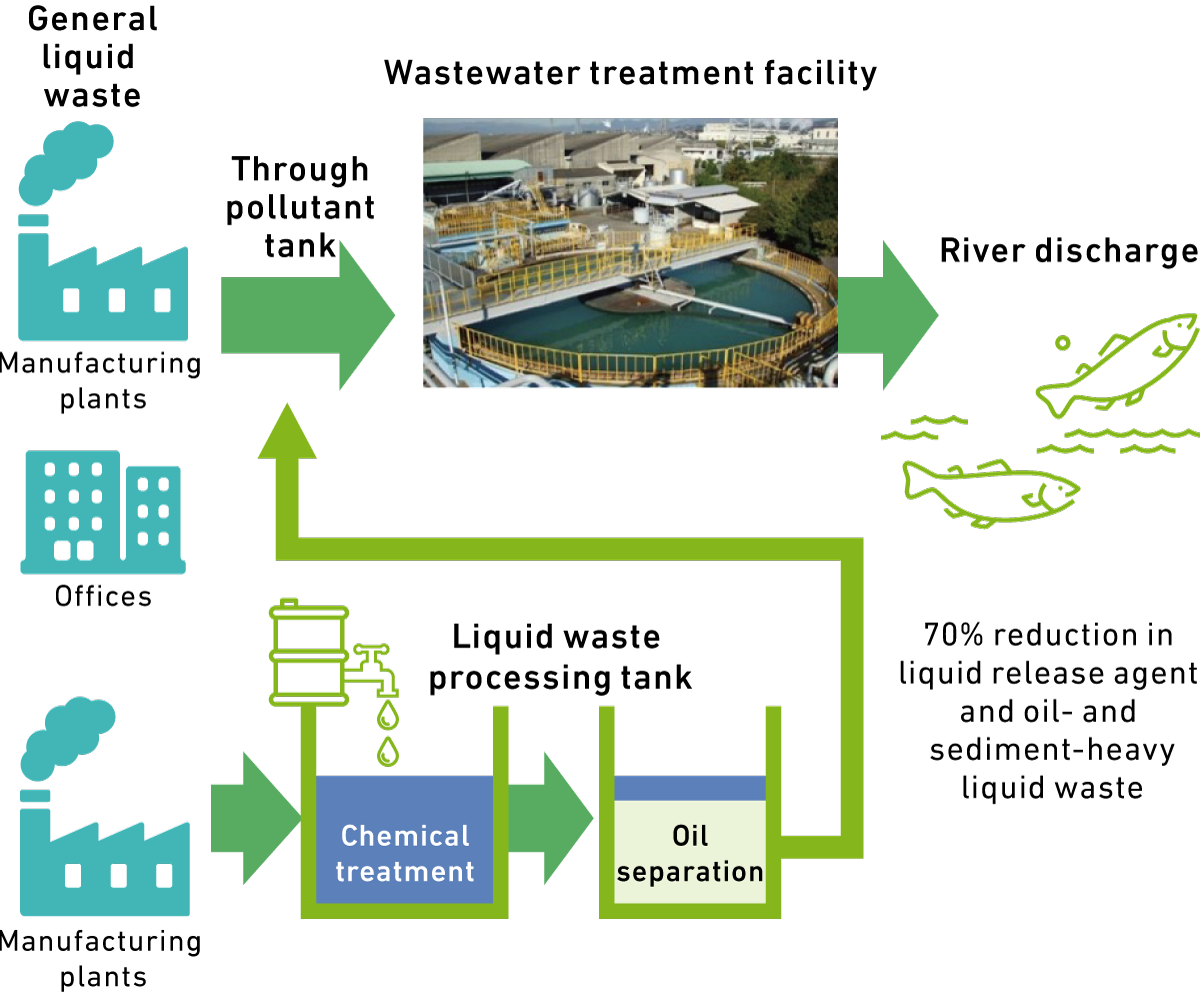
Reduce liquid waste from manufacturing plants
Wastewater discharged from our manufacturing plants and offices is sent to in-house water treatment facilities, treated into safe water, and then discharged into rivers. However, liquid release agent or liquid waste with large amounts of oil or sediment cannot be treated to safe levels at water treatment facilities, so they have been processed externally as waste.
Therefore, we repeatedly reviewed the chemicals used and our purification methods, and made it possible to treat the liquid release agent and liquid waste in-house.
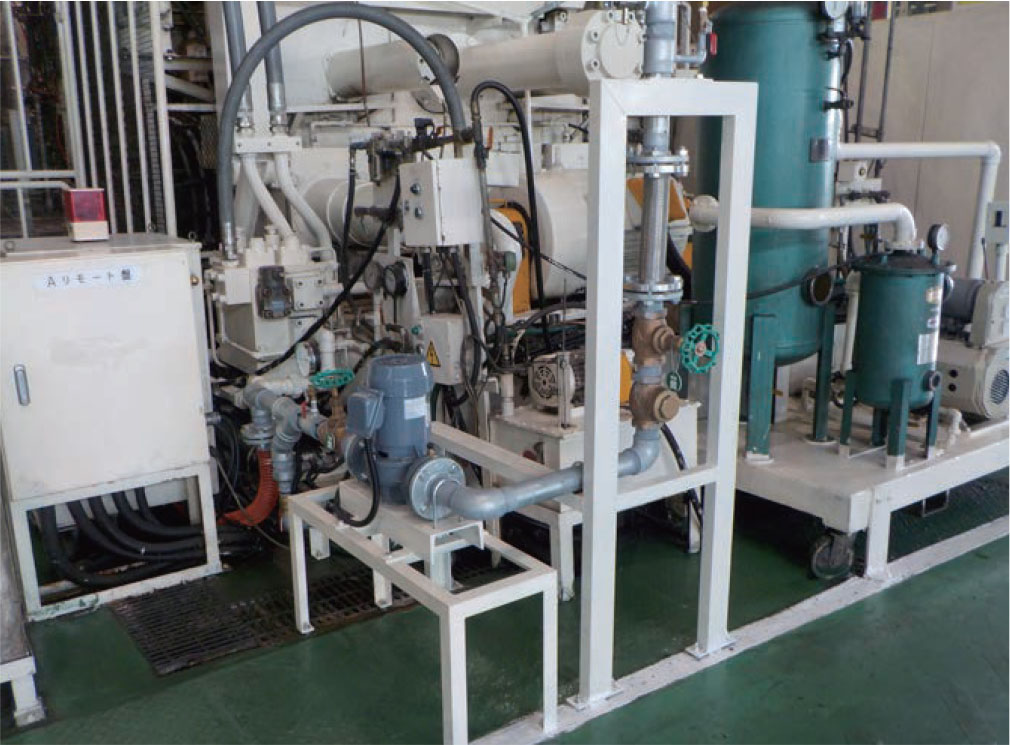
Reusing discharged water through the adoption of cold water circulation equipment
JATCO promotes the reuse of discharged water, and has adopted the use of cold water circulation equipment to purify the water used for the cooling and cleaning of production equipment, as well as for the thinning of cutting oil.
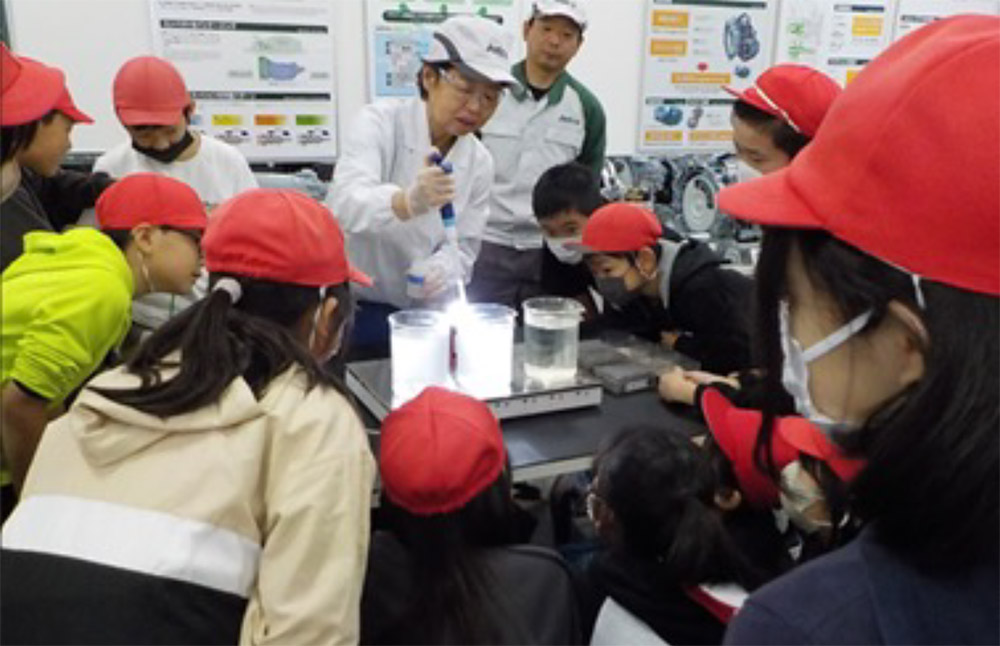
Learning about the importance of sustainable water resources
At our JATCO plant tours, which are open to the public, we provide opportunities for children to learn about the importance and mechanisms of wastewater purification. Through actual demonstrations, we aim to deepen children’s learning, promote understanding of sustainable environments among younger generations, and foster environmental awareness.
Safe and reliable transportation of polluted water
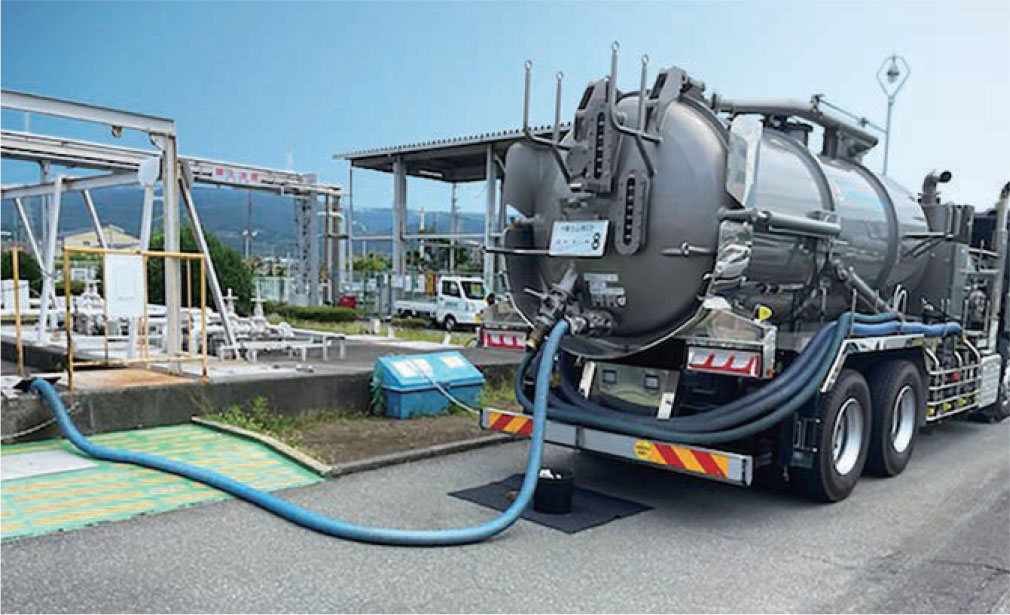
JATCO not only takes steps to reduce the incidences of water pollution, but also considers safety when transporting polluted water to treatment facilities. Measures have been put in place at the facilities where parts are cleaned to enable the repeated reuse of water after pollutants have been removed from it. After reusing this water for several months, it is then transported to a treatment facility by truck.
Given the fact that transportation of polluted water to treatment facilities through underground pipes and gutters is method that is easily impacted by the passage of time and has reliability issues, we are also making improvements by switching to transportation of this water using aboveground pipes that are visible to employees.
Management of chemical substances
Management of volatile organic compounds
We implemented volatile organic compound (VOC) countermeasures to achieve our target of reducing total VOC emissions by 30% (compared to FY2000) by FY2010, based on the action plan formulated by the Japan Auto Parts Industries Association (JAPIA). As a result of these countermeasures, we were able to reduce VOC emissions by 98% by FY2006, 99% in FY2010, and 99% again in FY2024.
VOC emissions for FY2024

Soil and groundwater pollution countermeasures
As part of our soil and groundwater pollution countermeasures, we completely abolished the use of organic chlorine-based solvents, and are currently monitoring our past usage of organic chlorine-based solvents and their impact on the environment.
Emissions of three major hazardous air pollutants
We were able to eliminate our emissions of three major hazardous air pollutants*1 in FY2006, and we have successfully prevented further emissions through FY2024.
FY2024 emissions of three major hazardous air pollutants

Management of PRTR*2 substances
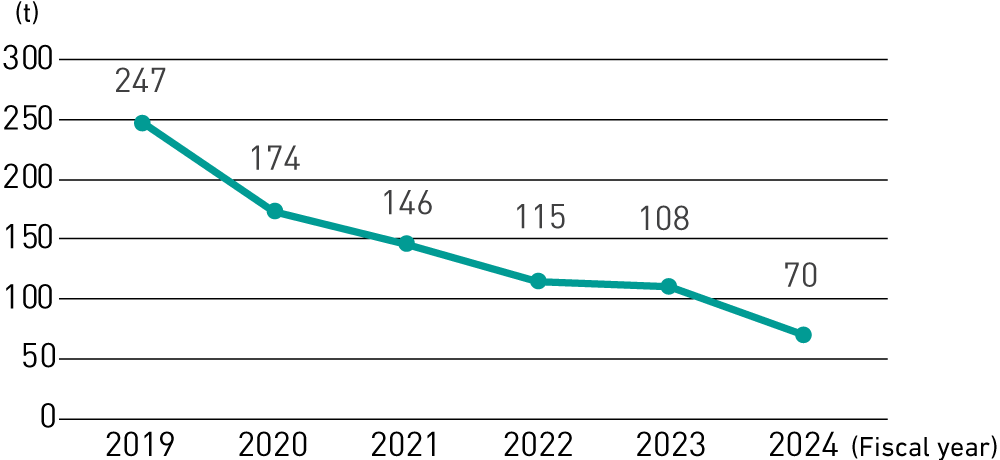
The amount of PRTR chemical substances handled by JATCO, calculated as the amount discharged and transported by domestic production facilities, is shown in the following table. By using cleaning solutions at room temperature in the machining process and switching to hot water cleaning in the assembly process, we have been decreasing the usage of PRTR chemical substances year by year.
| Classification | Chemical substance |
Amount handled |
Amount discharged | Transported | ||
|---|---|---|---|---|---|---|
| Air | Water | Soil | ||||
| Specific Class I Designated Chemical Substances |
Dioxin (mg-TEQ/yr) | 0 | 21.3 | 0 | 0 | 0 |
| Benzene | 0 | 1 | 0 | 0 | 0 | |
| Class I Designated Chemical Substances |
Ethylbenzene | 0 | 0.5 | 0 | 0 | 0 |
| Xylene | 22,007 | 8.6 | 0 | 0 | 0 | |
| Trimethylbenzene | 40,012 | 8.8 | 0 | 0 | 0 | |
| N-hexane | 0 | 28 | 0 | 0 | 0 | |
| Toluene | 5,100 | 100 | 0 | 0 | 0 | |
| Unit: kg (mg-TEQ/yr for dioxins) | ||||||
- 1 Three major hazardous air pollutants: Dichloromethane, trichloroethylene, and tetrachloroethylene
- 2 PRTR: Act on Confirmation, etc. of Release Amounts of Specific Chemical Substances in the Environment and Promotion of Improvements to the Management Thereof
Amount of PRTR substances handled (t)
Initiatives to reduce air pollution
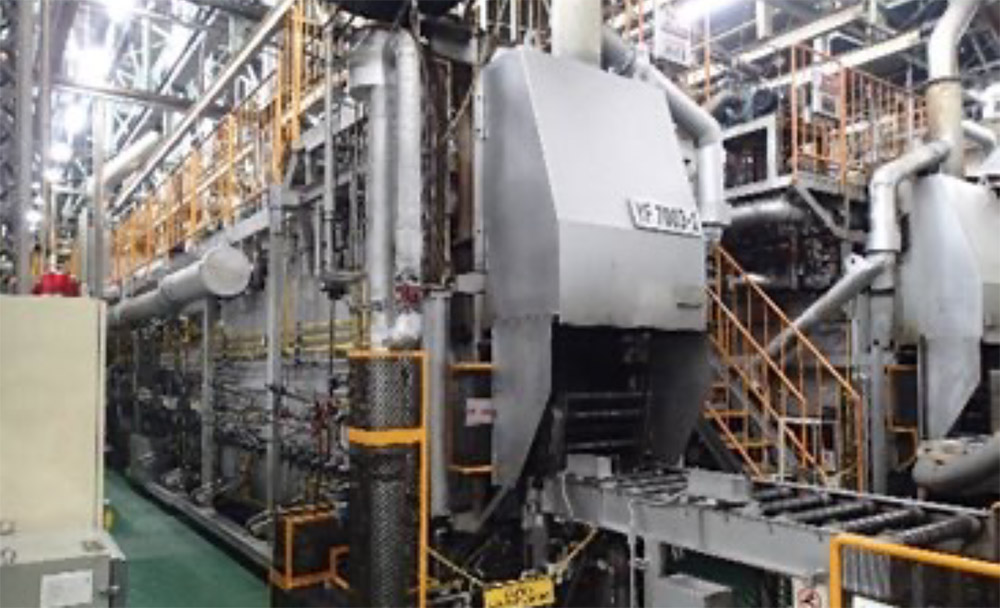
At JATCO, we are promoting the adoption of regenerative burners in continuous heat treatment furnaces. Regenerative burners are devices that efficiently recover and reuse the thermal energy generated during the combustion process. By incorporating this technology into continuous furnaces, we can not only reduce energy consumption but also lower the temperature of emitted smoke and gases, thereby reducing the emissions of harmful substances. JATCO will continue to promote the use of sustainable technologies internally in order to achieve both environmental protection and economic growth.